
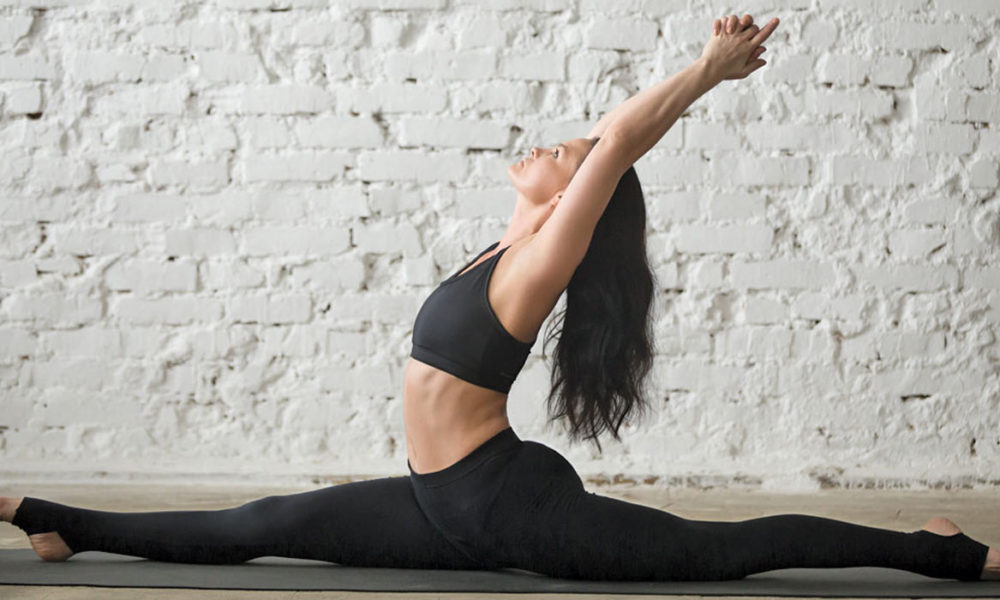
Health and Fitness Benefits of Flexibility Training
Working out not only helps you improve flexibility but has other vast benefits. For instance, it helps reduce fatigue and improve your overall body health and range of motion. A big percentage of people think that flexibility is only for people in sports, which is not the case. Performing flexibility training helps you observe body fitness and improve overall body health.
Also read: Exercise tips for beginners
Flexibility is different from the range of motion. Flexibility is the ability of muscles, bones, and tissues to stretch out through the range of motion. On the other hand, the range of motion is the ability of a joint to move in all possible directions without causing pain. Flexibility training helps you increase your range of motion. Increased range of motion reduces the risk of injuries and loosens joints to allow free movement.
Moreover, a high range of motion helps reduce straining during workout sessions. However, to improve flexibility you must be consistent in your exercises. Most important, you must do stretching exercises after your workout.
In contrast, you can be extremely flexible. Being too flexible is known as hyper flexibility. Hyper flexibility is a sign of connection disorders in tissues. Hyper flexibility also causes an excessive range of motion. An excessive range of motion is dangerous since it causes pain, cracking, swelling, and dislocation of joints. Flexibility has immense health and fitness benefits for the body.
This article discusses some of them.
1. Improves the Condition of Muscles
Flexibility training helps you improve the condition of your muscles. It becomes easier to carry out daily activities and exercises like stretching with muscles in good condition. If you have tight and contracted muscles, foam rolling helps loosen them. Using a roller loosens your muscles and extends them to their original or intended length. Lengthened and loose muscles help improve your flexibility.
Furthermore, flexible training helps increase blood flow to your muscles. Enhanced blood circulation helps your muscles in several ways. These include getting rid of waste and supplying required nutrients. It also helps shorten recovery time if you get injuries or strained muscles. Flexible training boosts the strength of your muscles and reduces tension in muscles.
Also read: How to gain muscles
2. Boosts Blood Circulation
Flexibility training doesn’t just enhance blow flow to muscles but also overall blood circulation in your body. Exercises decrease the stiffness of muscles allowing blood to flow easily. Proper blood circulation ensures that all body organs, like the heart and lungs, receive enough blood. Sufficient blood provides nutrients and oxygen required by the organs to function effectively.
Moreover, white blood cells will be transported around the body as required. As a result, your immune system is improved. You’ll have more power to fight off diseases such as diabetes. In case of strains and injuries, your muscles will also recover fast.
3. Reduce Likelihood of Injury
Flexibility exercises help reduce the probability of injury. Bur how? Through exercises, blood flow and circulation are increased in body tissues and muscles. Proper blood flow leads to the nourishment of muscles and body tissues.Well-nourished muscles are strong and flexible and are less likely to break or strain. Strong muscles can withstand intense physical stress.
Stretching, especially back and hamstring muscles help reduce the risk of injury. Stretching lengthens muscles and increases blood flow and simplifies daily activities like walking and bending. Flexible exercises also help reduce back pain.
Back Flexibility Exercises
4. Exercise Aids Your Strength
Regular flexibility training help you increase your strength over time. When you exercise, you contract your muscles thereby increasing your strength. The greater your joint range of motion is, the greater your muscle contracting will be. As a result, your strength increases. During training, your joint should reach their full range of motion. Flexibility allows easier movement of joints and muscles even when under tension. Easier movement of joints makes it easier to exercise.
More flexibility requires you to have more strength. Strength ensures that your muscles receive the right amount of tension. With the right amount of tension, your muscles become physically fit and can support you and your movements.
5. Improved Posture Balance
To have a good posture balance should not be taken for granted. Good posture helps reduce the load of your feet by making you lighter and improving your sports performance. Also, it prevents falls and injuries. Flexibility training strengthen your core improving your stability. These exercises allow your body to have proper alignment and good posture. It also increases your range of motion, it enables you to sit and stand in many ways.
6. Flexibility Training Reduces Pain
Regular flexible exercises help reduce pain and soreness. Flexible exercises lengthen, strengthen and open muscles. For that reason, your muscles suffer fewer aches and pain. In women, looser muscles help them experience fewer muscle cramps during periods.
Flexible exercises are most important if you suffer from chronic back pain. Study shows that stretching your hip and hamstring muscles in combination with other exercises helps reduce lower back pain. Reducing pain is one of the major benefits of regular flexible exercises.
Hamstring Flexibility Training
7. Training Improves Physical Performance
Flexible exercises improve your body’s overall physical performance. Exercise strengthens your muscles and improves stability and control. Therefore, it enables you to achieve proper postures needed in physical activities and sports. For example, footballers require flexibility to make powerful shots and rugby players to make powerful tackles. Athletes’ flexibility also helps them lessen the chances of injuries in tough competitions. Different athletes require flexibility in different body parts depending on their sport.
8. Positive State of Mind
Flexibility exercises also impact the state of your mind. Expanding and contracting muscles during a workout bring about relaxation. A relaxed body also leads to a relaxed and positive state of mind. Flexibility training also requires you to rest. The body rebuilds itself while you sleep therefore proper rest is crucial. Sleep also helps in handling stress.
Moreover, the challenges your body goes through during training make it adapt to handling stress. Lastly, exercises also open up the mind. An open mind has a positive mindset. A positive mindset also boosts your mood.
Also read: How to eat to gain muscle






Leave a Reply