
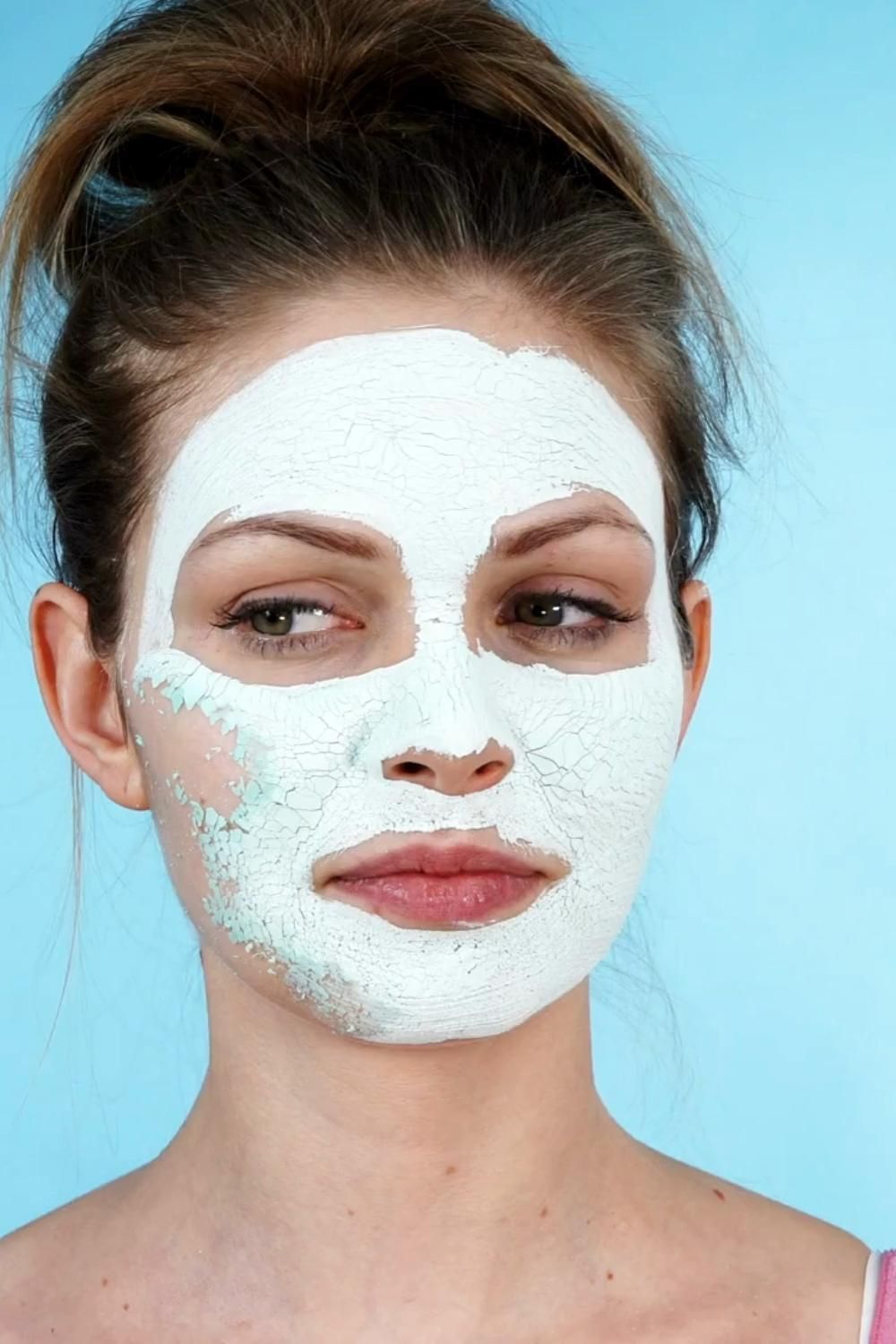
ADVICE FOR THOSE WITH
VARIOUS SKIN TYPES
Advice for those who
have oily skin
Acne and outbreaks may be more common in people with oily
skin. Sebum production from oily skin is excessive, and it may look shiny. Here
are some general pointers for oily skin:
1. Use a cleanser free
of oils.
Search for a natural, oil-free cleanser that helps break
down and wash away excess sebum without adding extra oil to the skin if you
have oily skin. There are several gentle cleansers designed specifically for
skin that is prone to acne.
2. daily hair washing
Oily scalps are common in people with oily skin. This
extra oil may transfer to the face and promote acne. Daily hair washing may
help manage oil production and lessen pimples.
3. Apply toner
Use a mild toner to assist unclog the pores if you have
oily skin and are prone to acne. Products with chemicals like salicylic acid or
glycolic acid may aid in balancing the pH of the skin and maintaining clear
pores.
4. Wear sunscreen
constantly.
Possibly more sensitive to sunlight is oily skin. Any time
you are exposed to the sun, wearing sunscreen can assist to lessen this
reaction. Finding sunscreens without oil or other substances that will cause
more clogged pores is crucial, though.
Advice for those who
have mixed skin
People with mixture skin must take extra care of their dry
patches of skin in addition to their oilier ones, such as the T-zone, an oily
region that extends from above the eyebrows, along the bridge of the nose, and
down to the chin.
Think about employing two facial cleansers
Cleaning your face can be challenging if you have mixed
skin. A facial cleanser made for oily skin may work well for some people, but
it could dry up certain areas of their face too much for others.
The use of an oil-reducing cleanser on any oily areas
followed by a general mild cleanser on the face can help balance the skin for
those with problematic mixed skin.
Employ blotting papers.
Combination skin can possibly be temporarily balanced and
made easier to maintain by using blotting sheets on oily areas. Additionally,
it might aid in preventing acne outbreaks in these locations caused by
excessive sebum production.
Advice for those who have dry skin
Natural oil production is reduced in dry skin, which can
weaken the skin's vitality.
Acne can still be a problem for people with dry skin,
especially if they use an inappropriate moisturizer or put too much oil on
their face to alter the way their skin normally behaves.
Here are some pointers for treating dry skin:
1. Locate a mild
moisturizer.
Dry skin needs moisture, but it's critical to locate a
source of moisture that won't clog the pores. Natural oils like argan oil,
olive oil, or coconut oil may work effectively on some people's skin.
2. Apply soft washing
For those with dry skin, finding a mild cleanser that
doesn't remove the skin's natural oils is crucial. To select the most mild
cleanser for their skin, a person may find it preferable to consult a
dermatologist.
In conclusion, people can experiment with a range of
methods at home to get clear skin.
Depending on the person's skin type, the recommended
techniques will vary.
However, many people can
benefit from making general lifestyle adjustments, such as lowering their
stress levels, drinking plenty of water, and adopting a healthy diet
Also read:






Leave a Reply