
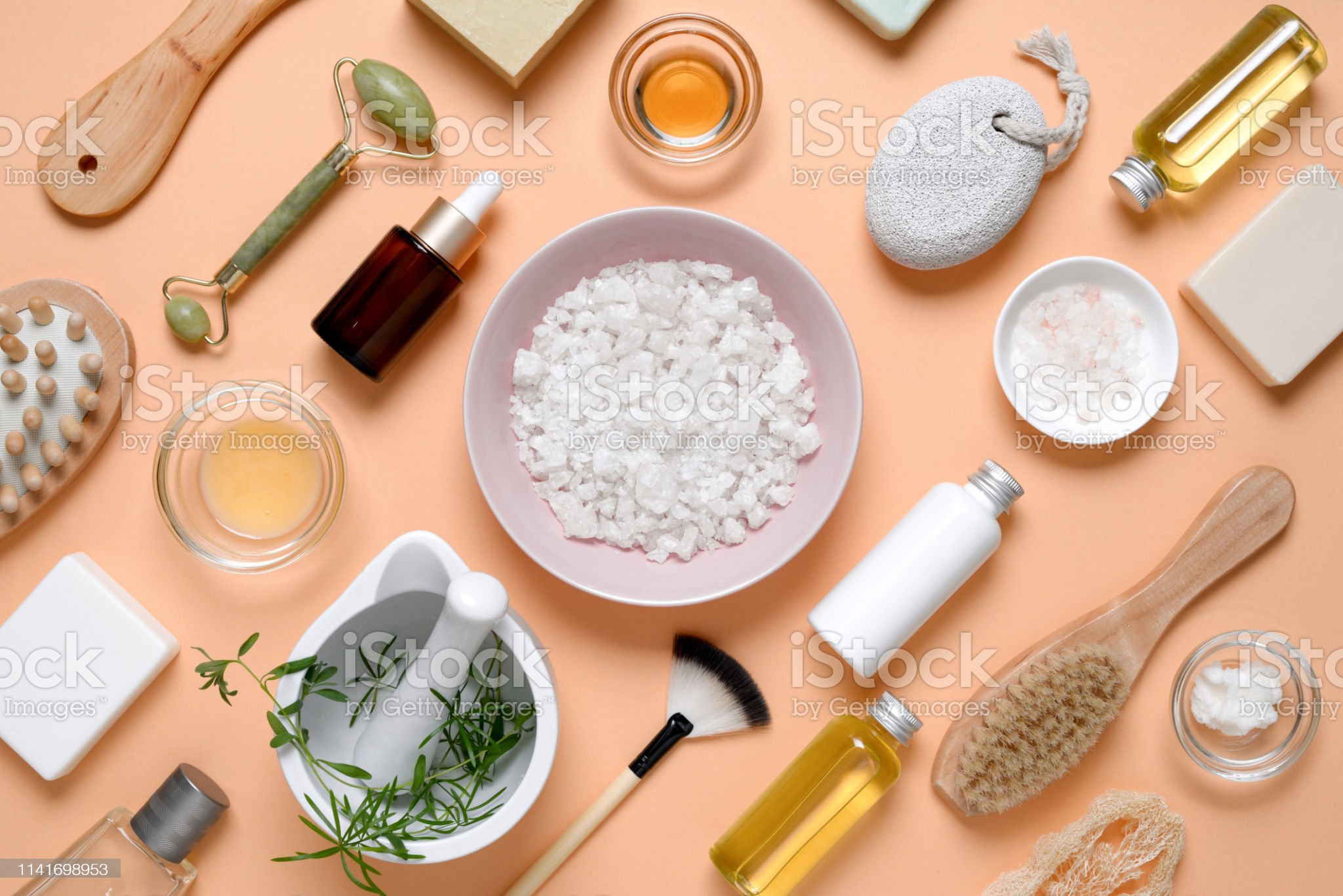
A Guide to Eating for Healthy Skin
Eating for healthy skin is an important aspect of maintaining a clear and youthful appearance. The foods you eat can have a significant impact on the health and appearance of your skin, and incorporating certain foods into your diet can help to improve your skin's condition.
One of the key nutrients for healthy skin is vitamin C. This vitamin is important for collagen production, which is a protein that helps to give your skin its structure and elasticity. Foods that are high in vitamin C include citrus fruits like oranges, lemons, and limes, as well as berries, kiwi fruit, pineapple, and papaya.
Vitamin E is another important nutrient for healthy skin. This vitamin is an antioxidant that can help to protect your skin from the damaging effects of UV radiation and pollution. Foods that are high in vitamin E include nuts and seeds, such as almonds, hazelnuts, and sunflower seeds, as well as avocados and leafy green vegetables like spinach and kale.
Omega-3 fatty acids are also important for healthy skin. These healthy fats can help to reduce inflammation and keep your skin moisturized. Foods that are high in omega-3s include fatty fish like salmon, mackerel, and sardines, as well as flaxseeds, chia seeds, and walnuts.
Another important aspect of eating for healthy skin is to ensure that you are getting enough hydration. Drinking plenty of water can help to flush toxins out of your body, and can keep your skin looking plump and hydrated. Aim to drink at least 8-10 glasses of water per day to stay properly hydrated.
In addition to the above, it's also important to pay attention to the total amount of sugar, saturated and trans fats, and processed foods you eat. These types of foods can cause inflammation and contribute to acne, wrinkles, dryness and uneven skin tone.
Eating a diet that is rich in whole foods, such as fruits, vegetables, whole grains, and lean proteins, can help to provide your body with the nutrients it needs to maintain healthy skin. It's also important to limit your intake of processed and sugary foods, as these can contribute to skin problems.
In general, aim for a balanced and diverse diet that is based on whole foods and plenty of fruits and vegetables. This will help ensure that you are getting all the essential nutrients your skin needs to look and feel its best.
Finally, Regular physical activity, stress management, sun protection, and adequate sleep are also important factors that can contribute to the health and appearance of your skin. So make sure to take care of your body as a whole, not only your diet, for a truly healthy and radiant skin.
Also read: Avoiding Infection During a Manicure or Pedicure






Leave a Reply