
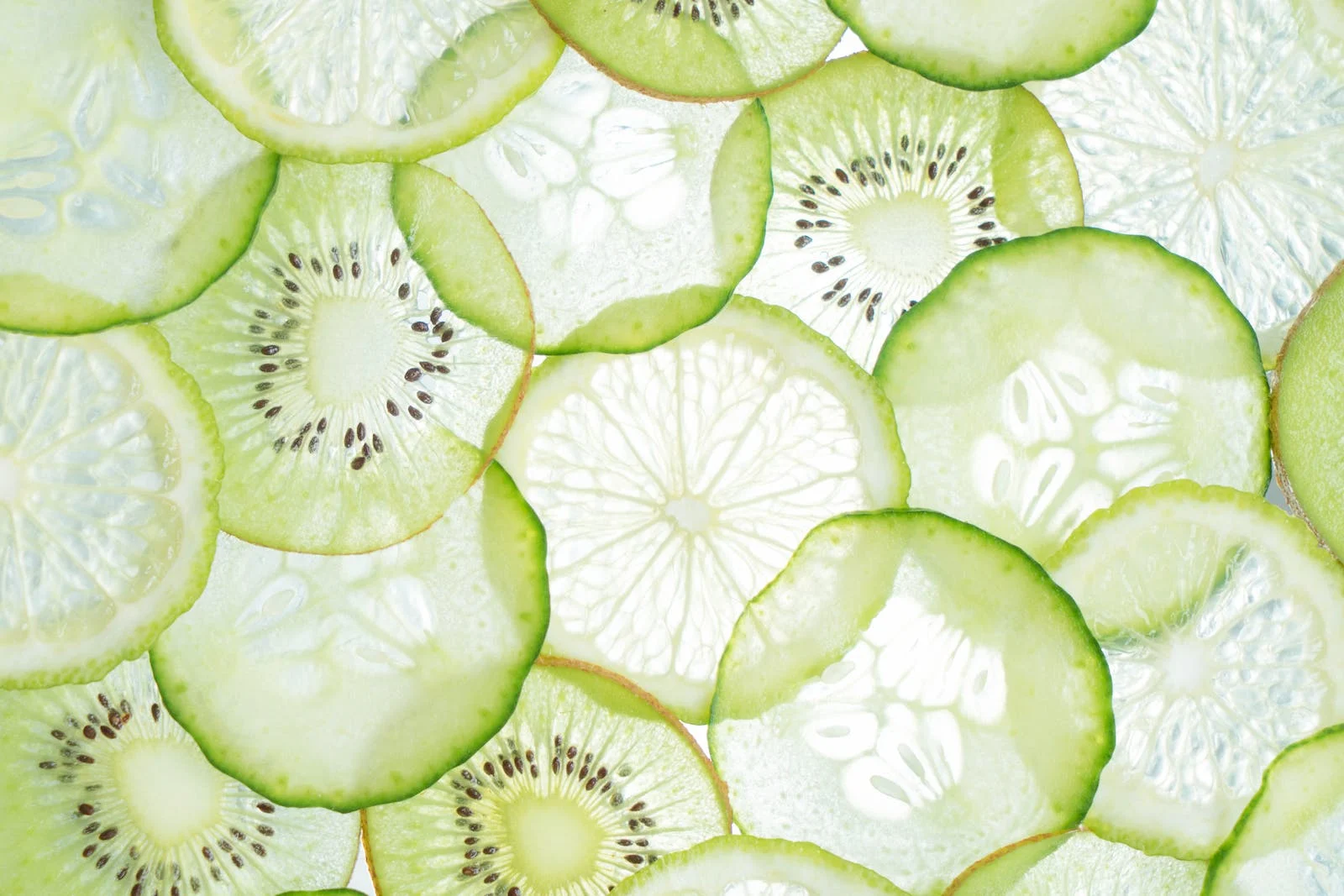
A Balanced Diet for Vegetarians and Vegans
A balanced diet for vegetarians and vegans is one that includes a variety of foods
from different food groups to ensure that all essential nutrients are consumed. This
can include fruits, vegetables, whole grains, legumes, nuts, and seeds.
Protein: Vegetarians and vegans can get protein from plant-based sources such as
beans, lentils, tofu, tempeh, and seitan. These foods are also rich in other essential
nutrients such as iron and zinc. Additionally, nuts and seeds are also great sources
of protein and healthy fats.
Iron: Iron is important for vegetarians and vegans, as plant-based sources of iron
(such as leafy greens and legumes) are not as well absorbed as animal sources. To
increase absorption, vegetarians and vegans should pair iron-rich foods with vitamin
C-rich foods, such as citrus fruits or bell peppers.
Calcium: Calcium is important for bone health and can be found in plant-based
sources such as leafy greens, broccoli, and fortified plant-based milk alternatives.
Vitamin B12: Vitamin B12 is important for the formation of red blood cells and nerve
function and is primarily found in animal-based products. Vegetarians and vegans
can get vitamin B12 from fortified foods such as plant-based milk alternatives,
breakfast cereals, and nutritional yeast.
Omega-3 fatty acids: Omega-3 fatty acids are important for heart health and can be
found in plant-based sources such as flaxseeds, chia seeds, and walnuts.
It is important to note that vegetarians and vegans should pay close attention to their
nutrient intake and may need to take supplements for certain nutrients such as
vitamin B12, omega-3 fatty acids, and iron. It is also important for vegetarians and
vegans to consult with a registered dietitian or nutritionist to ensure that they are
meeting their nutrient needs.
In summary, a balanced diet for vegetarians and vegans includes a variety of fruits,
vegetables, whole grains, legumes, nuts, and seeds. They can get protein from
plant-based sources such as beans, lentils, tofu, tempeh, and seitan. Iron, calcium
and Vitamin B12 are important nutrients that may need to be supplemented. Pairing
iron-rich foods with vitamin C-rich foods can increase absorption and Omega-3 fatty
acids are important for heart health and can be found in plant-based sources such
as flaxseeds, chia seeds, and walnuts. Consulting with a registered dietitian or
nutritionist is recommended to ensure that all nutrient needs are met.
Also read:7 Diet Changes for Healthier Hair and Skin






Leave a Reply