
A Balanced Diet for older adults
A balanced diet is essential for maintaining good health and well-being as we age.
As we get older, our bodies may have different nutritional needs and may be less
able to absorb certain nutrients. A balanced diet for older adults should include a
variety of nutrient-dense foods that provide the energy and essential nutrients
needed to support good health.
Protein: As we age, our bodies may have a harder time absorbing protein, making it
important to include high-quality protein sources in our diets. Good sources of
protein include lean meats, poultry, fish, beans, lentils, and soy products.
Calcium and Vitamin D: Older adults are at a higher risk of osteoporosis, a condition
that causes bones to become weak and brittle. It is important to include foods that
are rich in calcium and vitamin D in our diets to help support bone health. Good
sources of calcium include dairy products, leafy green vegetables, and fortified
foods. Good sources of vitamin D include fatty fish, eggs, and fortified foods.
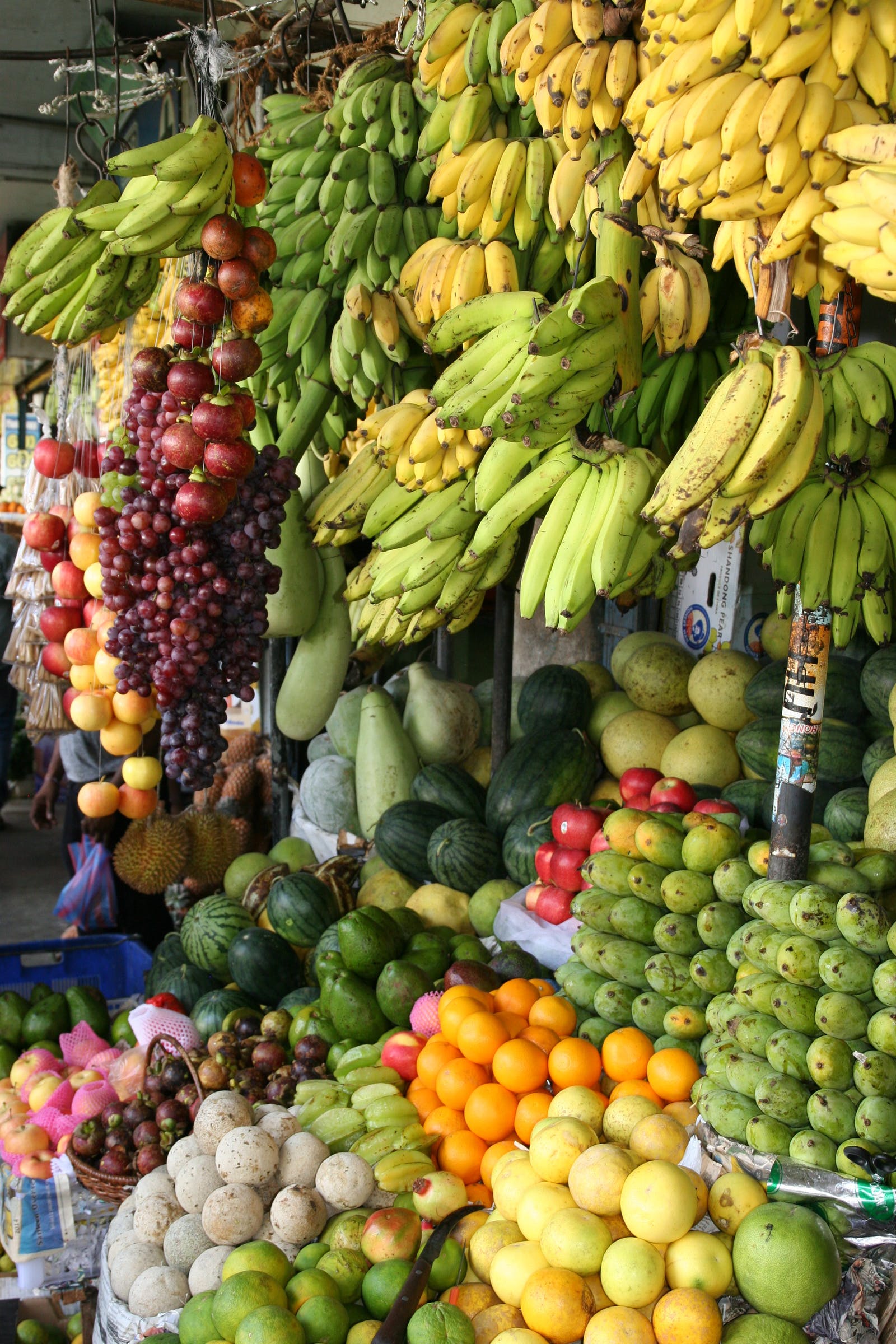
Fruits and vegetables: Fruits and vegetables are rich in vitamins, minerals, and
antioxidants that support overall health. Eating a variety of fruits and vegetables can
help reduce the risk of chronic diseases such as heart disease and cancer. Eating a
variety of fruits and vegetables can also help with the maintenance of healthy
weight.
Whole grains: Whole grains are a good source of fiber, vitamins, and minerals.
Whole grains include foods made from whole wheat, oats, barley, and quinoa.
Whole grains can help improve digestion, reduce the risk of heart disease, and lower
cholesterol levels.
Healthy fats: Healthy fats, such as olive oil, avocado, nuts, and seeds, are important
for maintaining good health as we age. They provide energy, help absorb fat-soluble
vitamins, and support brain health.
It is important for older adults to pay attention to portion sizes, as well. Eating too
much or too little can lead to weight gain or loss, which can have negative effects on
health. Drinking enough water, staying physically active, and avoiding smoking and
excessive alcohol consumption can also help support good health as we age.
In addition, older adults should be mindful of any specific health conditions they may
have, such as high blood pressure or diabetes, and make sure to include foods that
support those conditions in their diet. It's also important for older adults to consult
with a healthcare professional or a registered dietitian to ensure that their dietary
needs are being met.
In summary, a balanced diet for older adults should include a variety of nutrient-
dense foods, such as lean protein, calcium-rich foods, fruits and vegetables, whole
grains, and healthy fats. It should also include attention to portion sizes, hydration,
physical activity and moderate alcohol consumption, as well as consideration of any
specific health conditions. Consultation with a healthcare professional or registered
dietitian is recommended to ensure that dietary needs are met.
Also read:The Benefits of Aloe Vera for Hair and Skin






Leave a Reply