
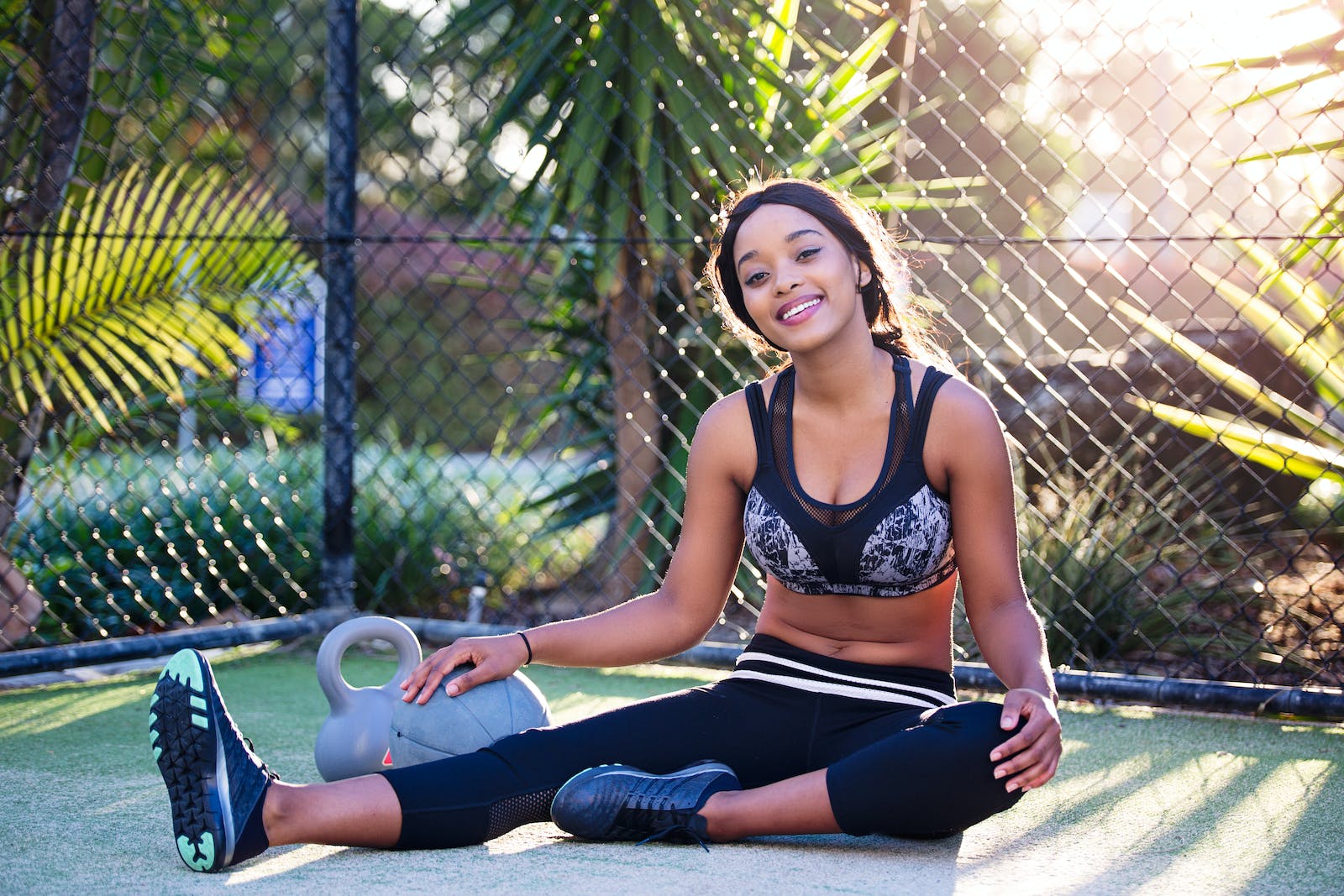
A Balanced Diet for Athletes and Active Individuals
A balanced diet for athletes and active individuals is essential for maintaining optimal
health and performance. Consuming a variety of nutrient-dense foods, in the right
amounts, can help support energy production, muscle growth and repair, and overall
health.
Protein is an important nutrient for athletes, as it is necessary for building and
repairing muscle tissue. Lean sources of protein such as chicken, fish, and turkey,
as well as plant-based options like beans, lentils, and tofu, should be included in an
active individual's diet. It is recommended that athletes consume 1.2-2.0 grams of
protein per kilogram of body weight per day.
Carbohydrates are also important for athletes, as they provide energy for intense
training and competition. Complex carbohydrates, such as whole grains, fruits, and
vegetables, should be the primary source of carbohydrates in an active individual's
diet. Simple carbohydrates, such as sugar, should be limited. It is recommended that
athletes consume 5-7 grams of carbohydrates per kilogram of body weight per day.
Fat is an important nutrient for overall health and should not be avoided. Good
sources of healthy fats include avocados, nuts, seeds, and fatty fish. Fats should
make up 20-35% of an active individual's diet.
It is also important for athletes and active individuals to stay hydrated. Water is the
best fluid for hydration, but sports drinks can be consumed during intense exercise
or in hot weather to replace electrolytes lost through sweat.
In addition to macronutrients, active individuals should also consume a variety of
micronutrients, including vitamins and minerals. Fruits and vegetables, as well as
whole grains, are good sources of micronutrients. Supplements should be used with
caution and only as directed by a healthcare professional.
It is also important for active individuals to pay attention to their energy balance.
Consuming enough calories to fuel training and competition, while also allowing for
recovery and growth, is essential. Athletes and active individuals may need to
consume more calories than sedentary individuals.
In summary, a balanced diet for athletes and active individuals should include a
variety of nutrient-dense foods, including lean protein, complex carbohydrates,
healthy fats, and fruits and vegetables. Adequate hydration and attention to energy
balance are also important. Consultation with a registered dietitian or sports
nutritionist may be beneficial for developing a personalized nutrition plan.
Also read: The Stress-Relieving Benefits of Brisk Walking
;






Leave a Reply