
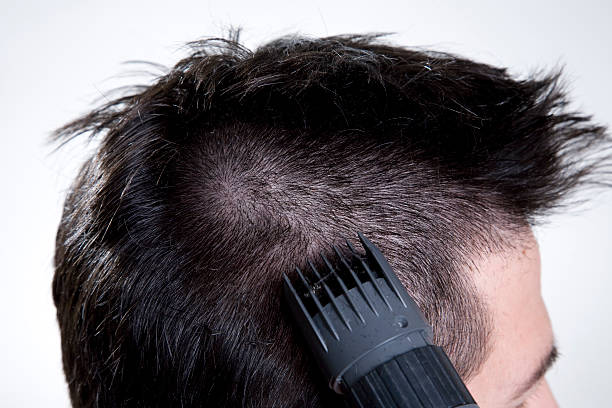
5 Easy Ways to Manage Oily Hair
Oily hair can be
a frustrating and difficult problem to manage, but there are several things
that you can do to control it. Here are 5 easy ways to manage oily hair:
Use the right
shampoo: Look for shampoos that are specifically formulated to control
oiliness. Avoid using shampoos that contain harsh chemicals or sulfates, as these
can strip the hair of its natural oils and make it even oilier. Instead, look
for shampoos that contain ingredients like salicylic acid, sulfur, tea tree
oil, and menthol, which can help to absorb excess oil and unclog pores on the
scalp.
Maintain a healthy
diet: Eating a diet that is rich in fruits and vegetables, lean protein, and
healthy fats can provide your body with the nutrients it needs to produce
healthy hair. Additionally, drinking plenty of water can help to keep your hair
hydrated and reduce oiliness.
Avoid styling
products that contain oil: This includes hair oils, pomades, and hair waxes.
These products can add to the excess oils in your hair. Instead, try using a
leave-in conditioner that can moisturize and nourish the hair without leaving
it feeling oily.
Brush your hair
regularly: Brushing your hair helps to distribute the natural oils from your
scalp to the ends of your hair, which can help to reduce oiliness.
Try a DIY hair
mask: A homemade hair mask can help to absorb excess oil and leave your hair
looking refreshed. A mixture of one egg white, one tablespoon of lemon juice,
and one tablespoon of honey can help to absorb excess oil and leave your hair
looking refreshed.
It's important to
note that oily hair can be caused by various reasons and it's essential to
identify the cause of oily hair to treat it properly. Also, what works for one
person may not work for another, so it's important to experiment and find what
works best for you. If you're experiencing excessive oiliness despite trying
these tips, it may be a good idea to see a doctor or a trichologist. In some
cases, oily hair can be a symptom of an underlying medical condition such as
hormonal imbalances or a scalp infection. A doctor or trichologist can help to
determine the cause of your oily hair and provide a personalized treatment
plan.
In conclusion, managing oily hair can be a challenge, but with the right hair care routine and lifestyle changes, you can control the oiliness and achieve healthier, more manageable hair. Remember to choose the right shampoo, maintain a healthy diet, avoid using styling products that contain oil, brush your hair regularly, and try a DIY hair mask. If you're still experiencing excessive oiliness despite trying these tips, it may be a good idea to see a doctor or trichologist for a personalized treatment plan.
Also read: The Top Tips for Styling Fine Hair






Leave a Reply